
Betting on Human Connection: Chris Tomkins on Navigating Modern Loneliness and the 'Boring Basics' of Wellness
With over 17 years of clinical experience—ranging from deeply transformative work with incarcerated men to leading a thriving private practice—Chris Tomkins brings a profoundly grounding and empathetic presence to the therapeutic space. His approach is built on dismantling toxic shame and fostering a collaborative "power with" dynamic, ensuring well-intentioned clients never feel marginalized in the therapy room. This professional spotlight explores his unique lens on true healing, the value of viewing therapy as a partnership, and why he believes the enduring power of human connection is more vital now than ever.
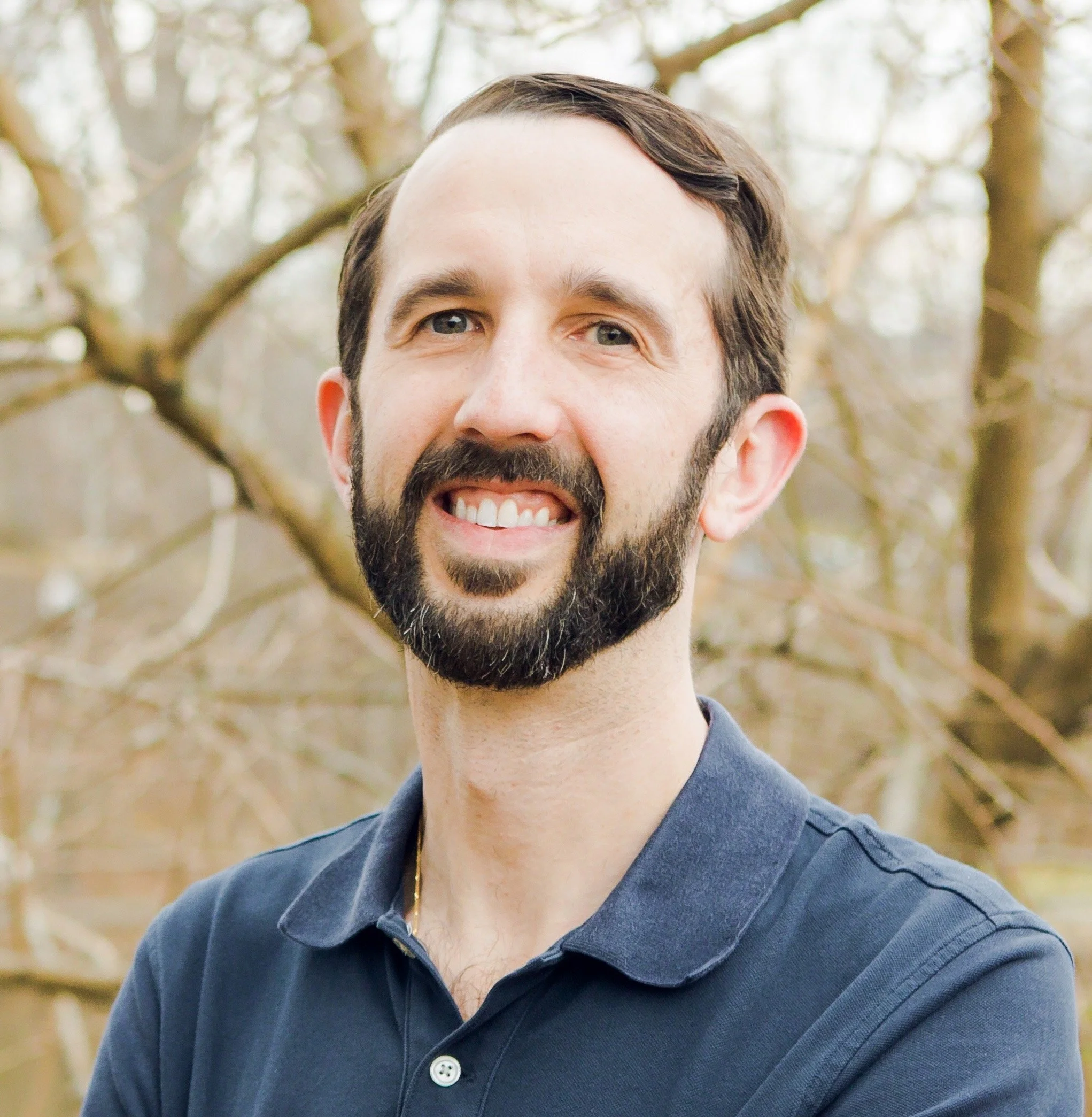
Chris Tomkins, LPC
Clinical Profile
Clinician: Chris Tomkins, Clinical Director, LPC, NCC, ACS, CCS
Practice: Caldwell Mental Health
Clinical Focus: Anxiety and depression disorders, substance use and addiction, couples and marriage counseling, with a specialized focus on men's issues
Location / Format: Licensed in New Jersey, Florida, and Delaware
The Discussion
The trajectory of a clinical career is rarely a straight line, but for Chris Tomkins, the path has been defined by a remarkable bridge between two seemingly disparate worlds. With eighteen years of experience—including thirteen spent within the high-stakes environment of alternative-to-incarceration programs—Tomkins has developed a therapeutic lens that is as unsentimental as it is deeply compassionate. Today, in his private practice at Caldwell Mental Health, he specializes in helping men and couples navigate the "marginalization" of their own shame, utilizing a "power with" dynamic that replaces clinical hierarchy with collaborative warmth. He is a practitioner who eschews the flashy trends of the moment in favor of what he calls the "boring basics," grounded in the belief that human wellness is inextricably tied to movement, regulation, and direct connection. In this conversation, Matthew Rosario sits down with Tomkins to explore the clinical architecture of a life spent facilitating change.
Origins and the Spark of Service
Matthew: Every practice has a heartbeat that started somewhere. I find that most clinicians can point to a specific moment or a series of conversations where the "calling" became clear. Where did you first feel called to the mental health field, and what was the bridge that led you to your current clinical niche?
Chris Tomkins: Like most teenagers, I lacked any clear vision of a career path. All I really knew was that I wanted to be some kind of a helper. The realization actually came during high school retreats. I found myself in these deep, meaningful conversations with peers, and during one of those experiences, someone suggested, "You should be a therapist." It was the first time I had ever considered it. I reflected on the fact that I already had an aptitude for those personal conversations—which isn't always typical for men—and I thought, "What the heck, I’ll major in psychology." I was lucky that it turned out to be a great fit. Through my bachelor’s and master’s in counseling, I discovered I truly enjoyed the work and had a natural affinity for it.
The Correctional Bridge: From Incarceration to Private Practice
Matthew: After grad school, you took a path that many clinicians avoid, spending over a decade in correctional programs. How did those thirteen years shape the way you see the clients you work with today in private practice?
Chris Tomkins: My first full-time job out of school was in a community correctional program, helping incarcerated men reintegrate into society. These were alternative-to-incarceration programs where men were confined but received treatment, work release, or even the chance to go to college. Over thirteen years, I worked with hundreds of individuals reflecting on their pasts. It had a profound impact on me because I realized these men were fundamentally the same as everyone else. Within the context of poverty, trauma, and addiction, their behaviors actually made sense. They had the same core aspirations we all do: to be strong, healthy, and connected. That experience shaped me into a helper who specializes in helping men who feel disconnected from the person they want to be. Whether I’m working with a man in a suburban office or someone coming out of a facility, my history makes it natural to show up with a spirit of total acceptance.
Matthew: There is a profound resonance in that bridge. I often think that working with marginalized populations mirrors how many of our clients feel in their own lives—marginalized by their mental health, as if they aren't allowed to play the role they want to play.
Chris Tomkins: Exactly. That experience taught me how to handle shame. When a person enters therapy, they often expect a "one-down" position because of their history. When they realize you don't treat them as inferior—that you value their expertise on their own life and don’t try to have all the answers—it’s transformative. As the Motivational Interviewing guru Stephen Andrew says, the antidote to toxic shame is compassionate understanding. "Power with" is one of the most incredible forces for healing that shame.
The Middle Way: Philosophy and Clinical Approach
Matthew: When we talk about the philosophy of change, there are often massive gaps between what a client expects and what the work actually requires. What do you find is the most misunderstood aspect of the healing process?
Chris Tomkins: New clients usually arrive with two main misconceptions. First, they think therapy is primarily about "venting"—that just getting it all out is sufficient for change. While talking is the start, it’s not the finish. Second, they expect me to be the "expert" in the medical sense, where they list symptoms and I provide a direct prescription or advice.
Matthew: They’re looking for the definitive plan from the person behind the desk.
Chris Tomkins: Right. But my approach is a partnership. I use Motivational Interviewing (MI), which is a "middle way" between passive listening and directive advice. I tell clients: "You’re the expert on your life; I’m the expert on facilitating a helpful conversation." My toolbelt is a mix of MI, CBT, and Relational Life Therapy (RLT). In MI, we aren't just talking; we’re working to understand why a certain path is valuable to the client before we ever figure out how to get there. I might offer a menu of options or share what has worked for others, but because the client helps build the plan, they are far more invested in it.
Matthew: It reminds me of the idea that therapy is essentially talking out loud to yourself with a really helpful person.
Chris Tomkins: That’s exactly right. You already have a voice inside you whispering what you ought to do. I’m just here to help you sort through the noise and figure out which voice to listen to.
The Moment of Shift: The Magic of "Exactly"
Matthew: We all have those "anchor" moments where the theory falls away and the work becomes tangible. What does it look like for you when your approach really clicks for a client?
Chris Tomkins: One of my favorite words to hear is "Exactly." It usually happens when a client is describing a problem for the first time, and I reflect it back to them in a way that deepens or sums up their experience. When they say "Exactly" with that sense of deep relief, it means they finally feel seen. From there, we get this beautiful, connected momentum. We move through the whole MI "road"—Engage, Focus, Evoke, and finally, Plan.
Matthew: You can feel the shift in the room's energy at that point.
Chris Tomkins: Absolutely. In what I call an "A+ session," the client’s whole demeanor changes. They move from the heavy regulation of the problem into a state where they are motivated and hopeful. By the end, they’re almost ready to bust out of the door to go "do the thing."
Technology as a Tool for Human Connection
Matthew: We’re living through a period of rapid technological change. How are you navigating the digital shift without losing the human element of the work?
Chris Tomkins: I use technology to remove barriers. I’ll text session plans to clients so they don't forget them, or send recordings of relaxation exercises for them to use at home. But we have to be careful. As society becomes more isolated, technology companies often position themselves as intermediaries, leaving people several layers removed from direct connection.
Matthew: It’s that "touch grass" philosophy—reminding them of their own humanity.
Chris Tomkins: Exactly. Technology should serve us; we shouldn't serve it. Human beings are fundamentally relational. Belonging and love are core needs, and isolation only intensifies shame. My practice is built on the idea that humans need other humans to feel whole, and technology is just a tool to facilitate that connection, not replace it.
Stamina and the "Boring Basics"
Matthew: Burnout is a constant shadow in this field, particularly for those who see eight or nine clients a day. How do you maintain your clinical stamina?
Chris Tomkins: It starts with strict limits. Some people can do those high-volume days, but that’s not me. I see a maximum of four to six people, but usually, my limit is three or four. When the lights go on for a session, I have to be completely whole and present. I do a lot of work before 4:00 PM to be ready for a 4:00 PM client.
Matthew: I’m right there with you. My limit is four. If you want to be an excellent listener, you have to know when you've hit your capacity.
Chris Tomkins: I focus on the "boring basics." Brief exercise, mindfulness, sleep, and quality time with family. There are so many fads in mental health, but the fundamentals—exercise and sleep—have amazing research results that nothing else can really compete with. I use mindfulness throughout the day—just using my five senses or my breath to slow myself down when I’m getting too sped up. I always tell supervises: don't worry about knowing every complex theory yet. Focus on being an excellent listener first. Nothing beats those basics.
The Wildcard
Matthew: I always like to close with a fun one, something a bit unexpected: If you could have any superpower, Chris, what would it be?
Chris Tomkins: Teleportation. Immediately. I’d love to finish my last session and just zap over to Rome for dinner. It’s about balance—I love my family, my friends, and my work here in New Jersey, but I want to experience the world without the commute.
Matthew: You’re in good company. That’s been my answer for a long time.
Chris Tomkins: We could save the planet and eat pasta in Tuscany at the same time. If you figure out how to get that power, let me know!
Closing Reflection
As the mental health landscape rapidly evolves and digital platforms increasingly isolate us, Chris Tomkins reminds us that the most profound healing still happens through genuine, uninterrupted human connection. By fiercely protecting his own clinical boundaries to remain fully present and championing the proven "boring basics" of self-care, his perspective offers a powerful anchor for the future of our field: a return to compassionate understanding as the ultimate antidote to modern loneliness and toxic shame. We extend our deepest gratitude to Chris for sharing his time, authentic voice, and invaluable insights with the Pearl of Mind Wellness community.
